

Prorope
Polyester Paracord 4 mm Black per meter – extra strong and superior UV resistance
Regular price €0,55Unit priceLiros
Liros XTR Racer – Racing Sheet | Dyneema SK78 Core | Aramid/Polyester Sheath
Regular priceFrom €9,95Unit priceIn stock (308 units)-
Prorope
Braided polyester rope in white and black 1.5 mm to 12 mm
Regular priceFrom €0,55Unit price-
-
Prorope
Spun soft touch polyester Marine Rope 6 to 16 mm diameter for sheet line
Regular priceFrom €0,60Unit priceIn stock (96 units)-


-
Prorope
5 mm Polyester rope braided in white and black
Regular priceFrom €0,70Unit priceIn stock (121 units) 
Prorope
4 mm Polyester rope braided in white and black
Regular priceFrom €42,50Unit priceLow stock (20 units)


Our own tensile test data
Polyester rope truly tested
We test rope on our own tensile tester according to ISO 2307 — five times to break, without knot. That way we know the actual breaking strength, not just the factory specification.
The same material and diameter can differ greatly. We tested four 8 mm polyester ropes: a spun sheet line cover without core reached only 328 kg, while a core-cover with twisted core came out at 1,037 kg.
8 mm: 328 kg (without core) → 1,037 kg (core-cover with twisted core) — factor 3.2A knot concentrates tension at one point, causing the fibers to fail there sooner. A splice, on the other hand, costs only about 10% strength.
8 mm sheet line: 770 kg → 441 kg with knot (≈ −43%)6 mm sheet line: 548 kg → 302 kg (≈ −45%)
The rope breaks at the first knot anyway. A second knot in the same line hardly changes the breaking strength.
8 mm: 441 kg (1 knot) vs 435 kg (2 knots)Our braided sheet lines gave a tapping sound before the final break — as if you were plucking strings. Loose fibers snapped well before the complete break, at a higher force. Unlike twisted rope, that first snapping is therefore not a sign that the maximum has been reached.
10 mm: loose fibers snap around 10.9 and 11.1 kN — complete break later, higherWhere a knot costs almost half the strength, a splice retains most of it. Our advice: use a splice instead of a knot where strength matters.
Splice ≈ −10% · knot ≈ −43–45%Comparison
Polyester rope vs nylon vs polypropylene
| Property | Polyester | Nylon | Polypropylene |
|---|---|---|---|
| Stretch | Average (10–15%) | High (15–25%) | Average (12–15%) |
| UV resistance | ★★★★★ | ★★★☆☆ | ★★★★☆ |
| Strength (wet) | 100% | 85% | 100% |
| Buoyancy | Sinks | Sinks | Floats |
| Abrasion resistance | ★★★★★ | ★★★★☆ | ★★★☆☆ |
| Melting point | ± 250 °C | ± 269 °C | ± 171 °C |
| Price | €€ | €€€ | € |
| Best for | Sailing, mooring lines, outdoor use | Anchor lines, shock absorption | Floating lines, water skiing |
Conclusion: Choose polyester rope when you need maximum UV resistance and high abrasion resistance. Choose nylon for shock absorption (anchor lines) and polypropylene if the rope must float.
Applications
Where polyester makes the difference
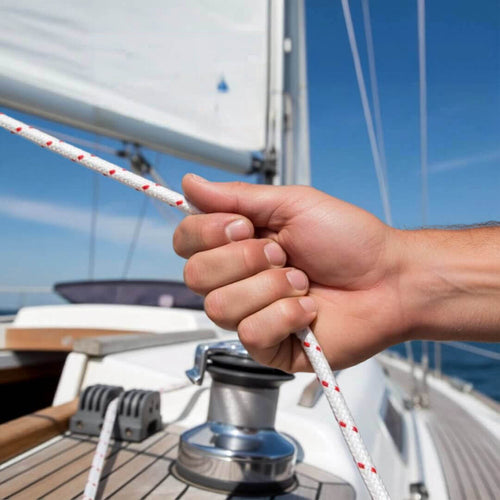
- Sheets and halyards
- Mooring lines
- Flag and guy lines
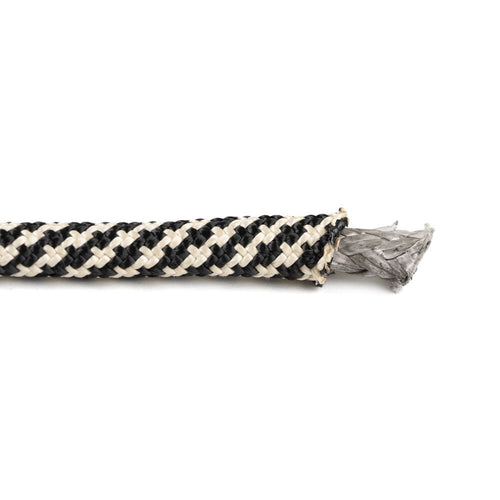
- Sheet lines
- Mooring lines and dock lines with spliced eye
- Twisted rope for splicing
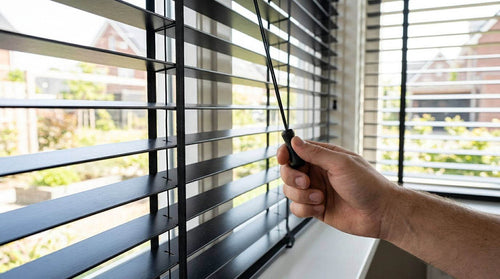
- Blinds, pleated and folding curtains
- Decorative cord and repairs
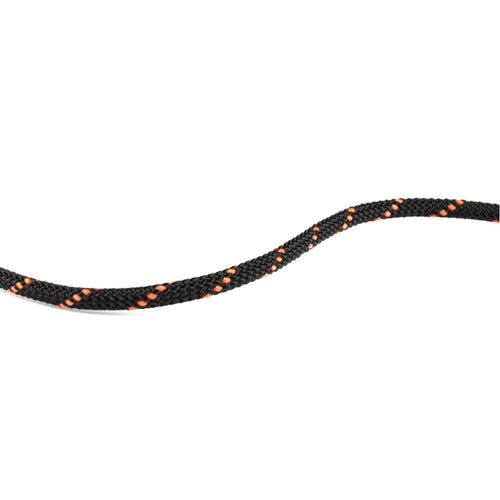
- Barrier and marker cord
- Fastening and tension lines
Technical information
Specifications, points of attention & available diameters
Technical specifications
| Material | Polyester (PET — polyethylene terephthalate) |
| Specific gravity | 1.38 g/cm³ — sinks |
| Elongation at break | approx. 10–15 % |
| Melting point | approx. 250 °C (literature 246 °C) |
| Working temperature | −40 °C to +100 °C |
| Water absorption | < 0.5% (virtually zero) |
| UV resistance | Best of all synthetic fibers |
| Abrasion resistance | Excellent (dry better than wet nylon) |
| Strength loss splice / knot | ± 10% (splice) · 43–45% (knot, own test) |
Points of attention when using
- 1 Knot vs splice: a knot costs 43–45% breaking strength — choose a splice for the finish where strength matters.
- 2 Load-bearing core: for core-cover and sheet line rope, the load-bearing core determines most of the strength.
- 3 Friction heat: polyester melts from friction heat. When running quickly through a cleat or block, local heat can occur.
- 4 Storage: store rope dry and preferably out of direct sunlight for the longest lifespan.
Available diameters
Available per meter. 0.8–2.5 mm as blind cord; up to 16 mm as sheet line and mooring line.
Buy polyester rope at Prorope
Directly from our own stock, by the meter
Prorope supplies polyester rope directly from our own stock. Almost all ropes are available by the meter — order exactly what you need.
We supply to consumers, water sports enthusiasts, shipping and industry.
Need advice or a quote?
Our rope specialists are happy to help you with the right diameter, variant or finish.
+31-77 208 6139 · info@prorope.com
Frequently asked questions